walking tour reykjavik self guided
Explore Reykjavik on a self‑guided walk, starting in Icelandic, but by July 10 a Reykjavík Safari tour will offer multilingual options. Visit the City Library, Art Museum, and nearby museum sites amid volcanic terrain and glacial waters, with icebergs drifting nearby. Enjoy street art and cafés along the path.
What Makes Reykjavik Ideal for Walking
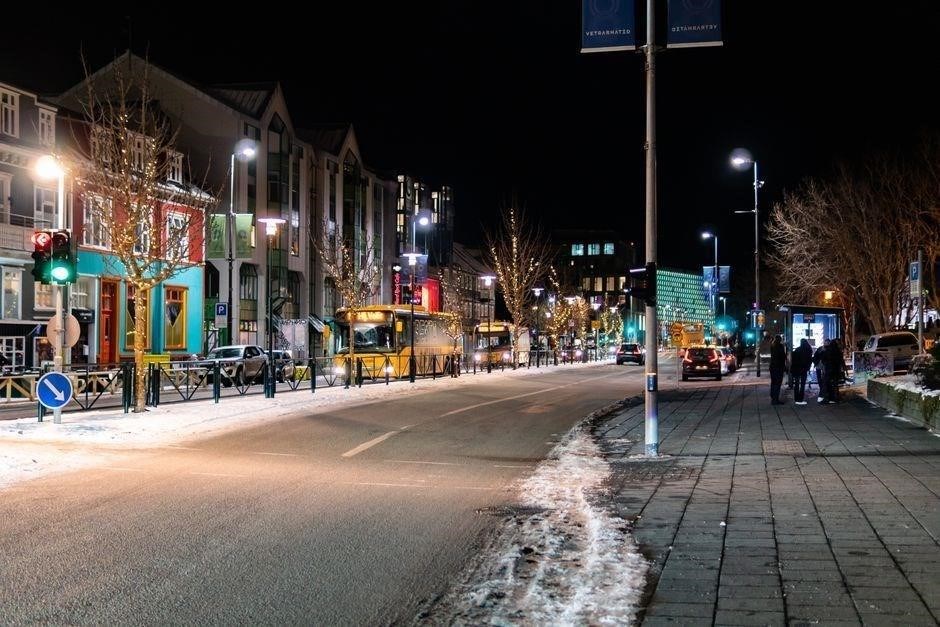
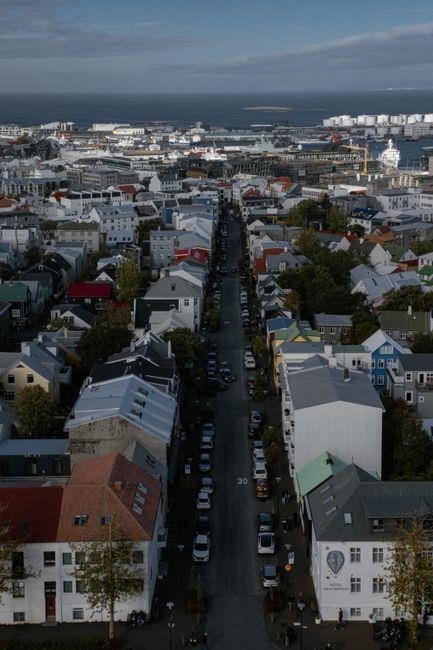
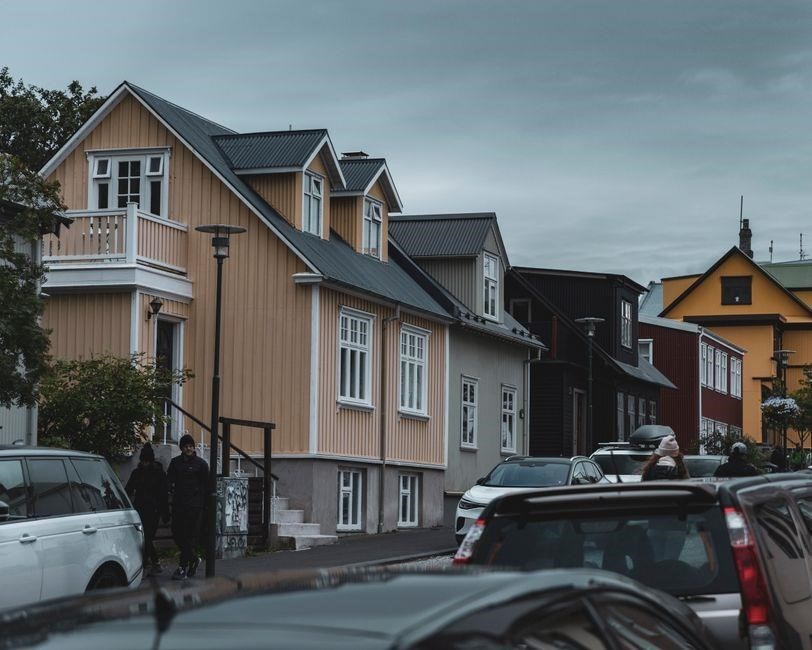
Reykjavik’s compact layout, with most attractions within a 3‑kilometer radius, makes it a playground for pedestrians. The city’s grid of cobblestone streets and wide sidewalks encourages leisurely strolls, while the surrounding volcanic landscape offers gentle gradients and scenic viewpoints. Local cafés, galleries, and boutiques line the main thoroughfares, providing frequent stops for rest, coffee, and local delicacies. Public transportation is limited in the city center, so walking is not only convenient but also the most immersive way to experience architecture and street art. Seasonal weather is mild from late spring to early fall, with temperatures rarely dropping below 0 °C, allowing for comfortable exploration without heavy gear. Reykjavik’s commitment to sustainability is reflected in its pedestrian‑friendly infrastructure, including bike lanes and clearly marked walking routes that connect key landmarks such as Hallgrímskirkja, Harpa, and the Old Harbour.
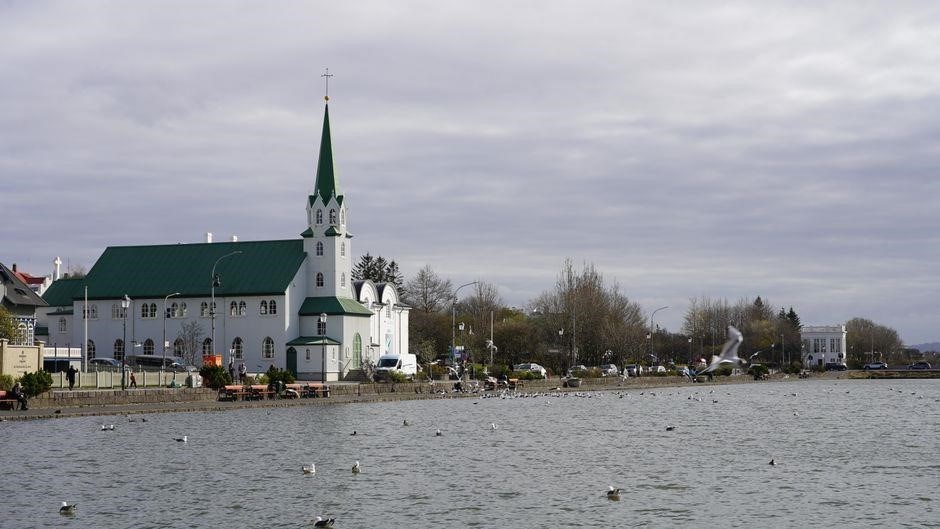
For those seeking a structured itinerary, numerous free digital maps and mobile apps provide step‑by‑step routes, audio guides, and historical anecdotes. These resources highlight hidden gems such as the Secret Lagoon, the Icelandic Phallological Museum, and the vibrant Laugavegur shopping street. The city’s pedestrian zones are well lit, and signage is multilingual, ensuring that visitors can navigate confidently even in the evening. Reykjavik’s low crime rate and friendly locals contribute to a welcoming atmosphere, while the city’s emphasis on green spaces, like the botanical gardens and the nearby Tjörnin pond, offers tranquil pauses amid the urban bustle. Whether you’re a history buff, an art enthusiast, or simply looking to soak in the Nordic ambiance, Reykjavik’s walkable charm invites exploration at a relaxed pace, making every step a discovery. Street‑food vendors offer lamb soup and fresh seafood. Savor!
Historical Roots of the City
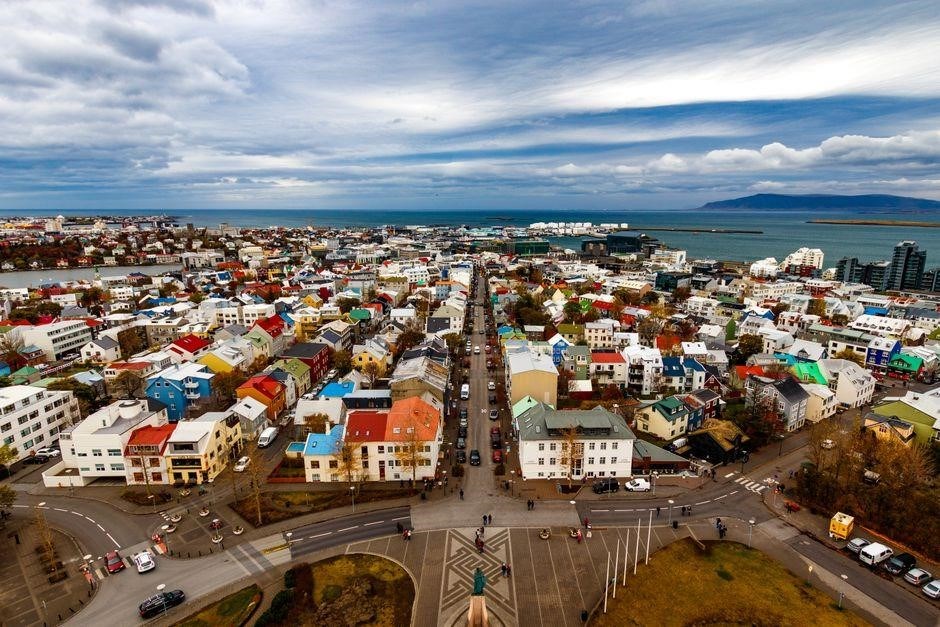
Reykjavik’s origins trace back to the late 9th century, when Norse settlers established a small fishing community on the southwestern coast of Iceland. The name “Reykjavík” derives from the smoky fjord that once filled the harbor, a reference to the steam emitted by geothermal vents. The settlement grew modestly, but the 18th‑century volcanic eruption of Eldfell in 1783 reshaped the city’s geography, creating the modern harbor and pushing the shoreline outward. The 19th century brought a surge of population as Iceland’s capital status attracted merchants, artisans, and clergy, leading to the construction of iconic structures such as the original Hallgrímskirkja church in 1900. The early 20th century saw Reykjavik’s first municipal council, the establishment of the National Theatre in 1939, and the opening of the first public library in 1949. Post‑World War II, the city experienced rapid industrialization and urban expansion, with the 1960s and 1970s introducing modernist architecture and the iconic Harpa concert hall in 2006. Today, Reykjavik blends its Viking heritage with contemporary design, preserving historic streets while embracing sustainable development and technological innovation.
Throughout its history, Reykjavik has been a cultural crossroads, hosting international festivals such as the Reykjavik Arts Festival, the Icelandic Film Festival, and the annual Midnight Sun Marathon. The city’s strategic location on the Atlantic made it a hub for transatlantic trade, while its unique geological features fostered a strong maritime tradition. Reykjavik’s evolution from a modest fishing village to a modern metropolis exemplifies resilience and adaptability, making it a compelling destination for self‑guided walking tours that weave together past and present for wander;
Key Landmarks and Cultural Attractions
Beyond iconic sites, stroll to the Parliament, the City Hall, the National Gallery, Laugardalslaug pool, Laugavegur street, and the City Museum for a vibrant mix of history, art, and leisure. Also, explore Laugavegur, City Hall, and Laugardalslaug pool today!!
Hallgrímskirkja – Iconic Church
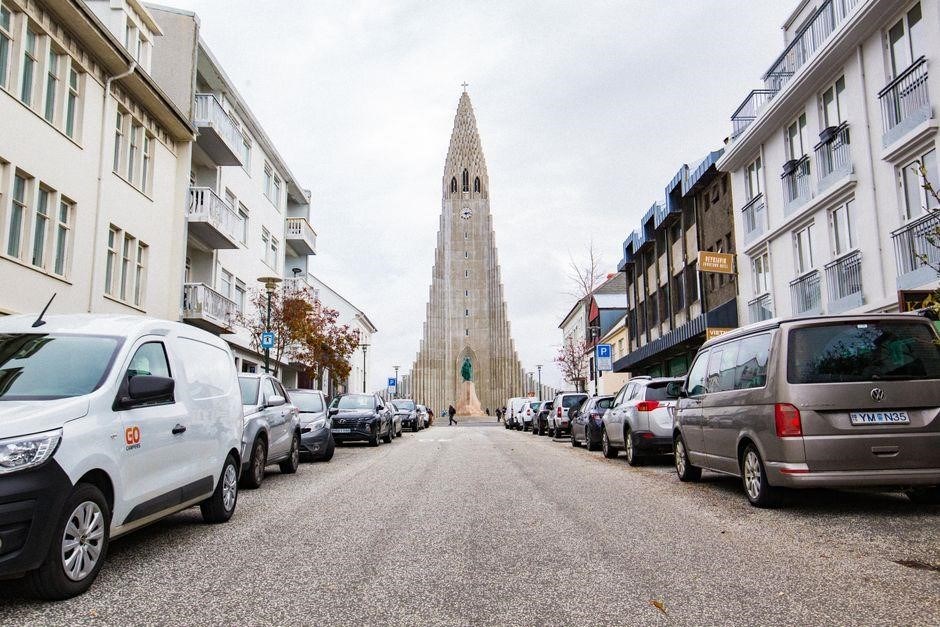
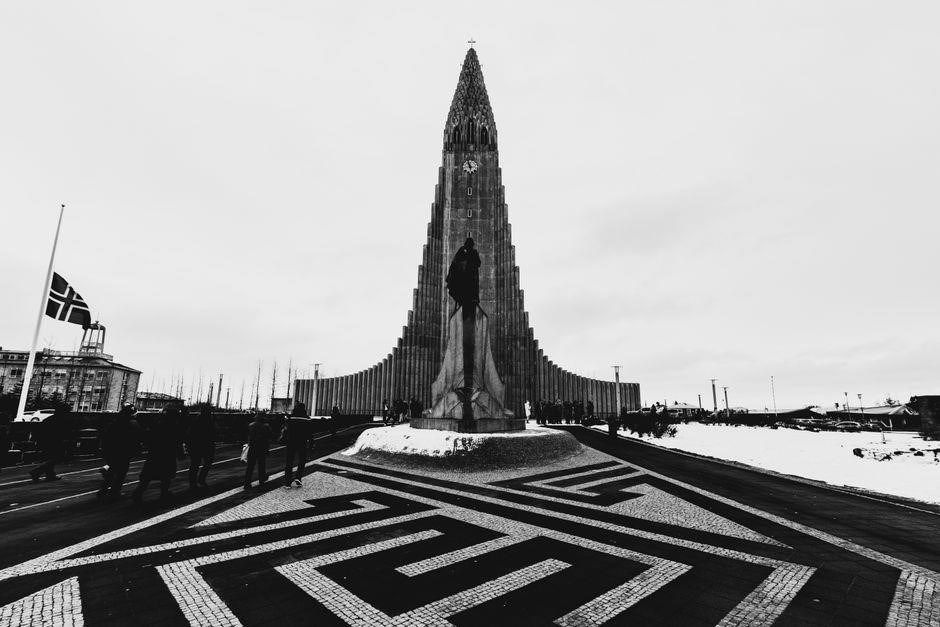
Hallgrímskirkja stands as Reykjavik’s most recognizable landmark, a towering expression of 20th‑century modernist design that dominates the city’s skyline. Designed by architect Guðjón Samúelsson, the church’s soaring steeple is inspired by the basalt columns of the surrounding volcanic landscape, giving it a distinctly Icelandic silhouette; The structure reaches 74.5 m (244 ft) to the top of its spire, making it the tallest church in the country and a popular viewpoint for panoramic city and fjord vistas. Inside, the nave stretches 40 m (131 ft) long, with a capacity for 1,200 worshippers and a series of stained‑glass windows that filter the soft Icelandic light into a kaleidoscope of color. The main altar, crafted from local stone, features a bronze sculpture of the Virgin Mary that was donated by the city’s residents in the 1950s. Visitors can ascend the 240‑step spiral staircase to the observation deck, where a 360° view of Reykjavik’s rooftops, the Atlantic Ocean, and the distant Reykjanes Peninsula awaits. The church also hosts a range of cultural events, including concerts, exhibitions, and community gatherings, reflecting its role as both a spiritual and cultural hub. For self‑guided walkers, the church’s open‑air bell tower offers a unique perspective on the city’s architectural evolution, while the surrounding plaza hosts seasonal markets and street performers. A short walk from the church leads to the nearby National Museum, where artifacts trace Iceland’s history from the Viking Age to the present, providing a complementary narrative to the church’s own story of faith and resilience. The Hallgrímskirkja area is easily accessible via the city’s public transport network, and the nearby Laugavegur shopping street offers cafés and souvenir shops for a quick respite after the climb. Whether you’re a history buff, an architecture enthusiast, or simply seeking a memorable view, Hallgrímskirkja remains a must‑visit stop on any self‑guided walking tour of Reykjavik. The church’s bell, cast in 1954, rings every hour, echoing across the city and reminding visitors of the enduring rhythm of Reykjavik’s daily life. All day here.
Harpa Concert Hall – Modern Architecture
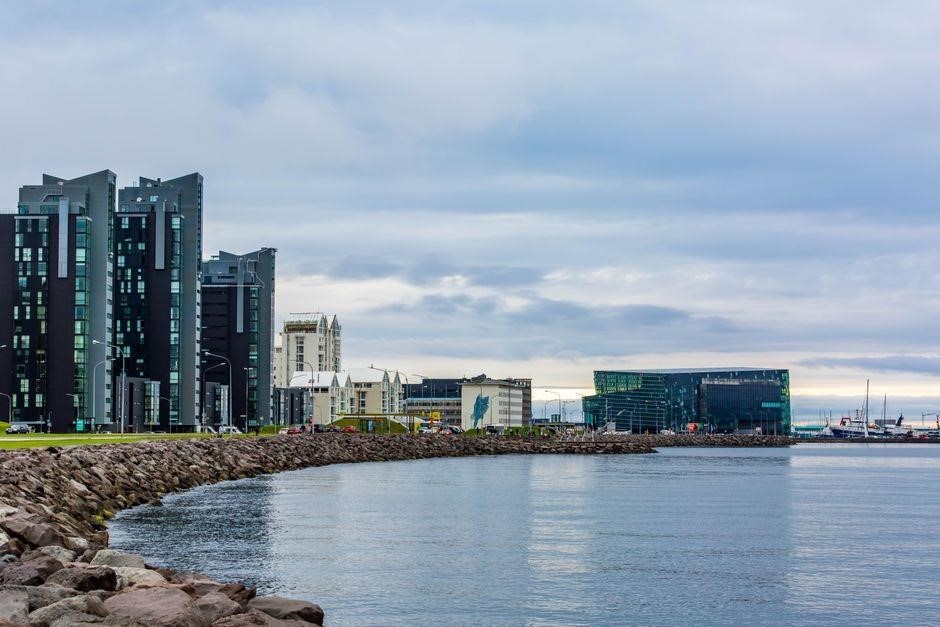
Harpa, Reykjavik’s flagship cultural venue, opened in 2011 and designed by the Danish firm Henning Larsen Architects in collaboration with Icelandic artist Olafur Eliasson. Its façade, a striking lattice of glass panels and basalt panels, reflects the city’s winter light and the Atlantic waves below, creating a dynamic interplay of color and texture that changes with the weather. The building’s interior houses a 1,500‑seat concert hall, a 400‑seat theater, and a 200‑seat studio, along with exhibition spaces, a café, and a public plaza that serves as a gathering place for locals and tourists alike. Harpa’s acoustics were engineered by the acoustical firm Arup, ensuring that performances ranging from classical symphonies to contemporary pop concerts resonate with clarity and warmth. Harpa’s design incorporates a series of angled glass panels that act as a natural diffuser, reducing echo and enhancing sound quality. Beyond its musical functions, Harpa hosts art installations, film screenings, and community events, making it a hub for interdisciplinary collaboration. Its location on the waterfront, adjacent to the old harbor, provides visitors with panoramic views of the harbor’s fishing boats and the distant Reykjanes Peninsula. The building’s roof features a series of skylights that allow natural light to flood the performance spaces during the day, while LED lighting systems illuminate the façade at night, creating a luminous beacon for the city. Harpa’s construction used over 1,000 tons of basalt from local quarries and 1,200 tons of glass for sound!!..
Sun Voyager – Symbolic Sculpture
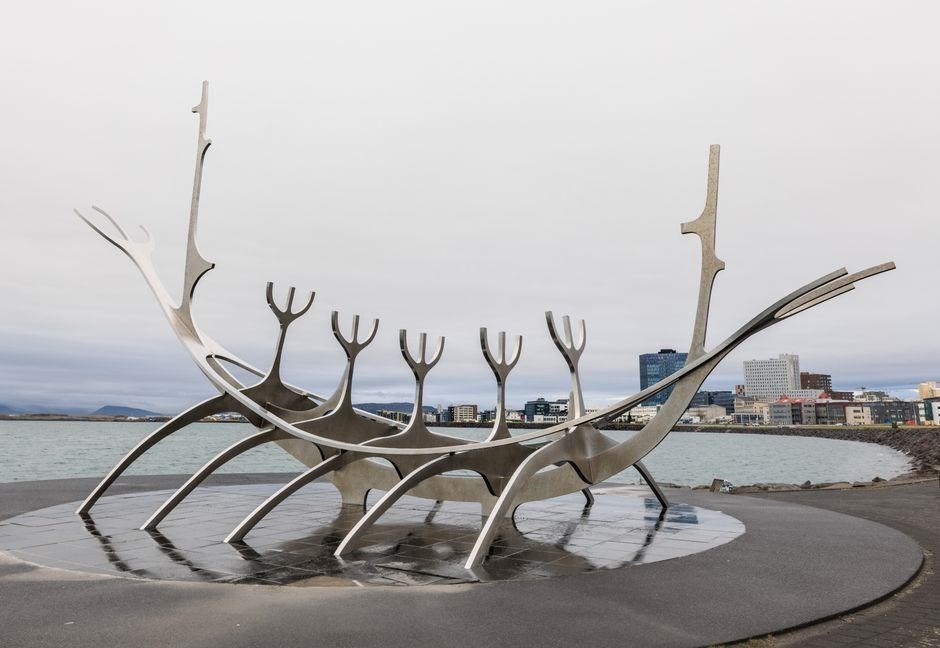
The Sun Voyager (Sólfar) is a sleek, white, sail‑shaped sculpture on Reykjavik’s waterfront, overlooking the Atlantic. Designed by Jón Gunnar Árnason and finished in 1998, it draws inspiration from Viking longships and Icelandic folklore. Its minimalist 15‑meter form evokes a vessel sailing toward the sun, symbolizing exploration, hope, and maritime heritage. Constructed from stainless steel and concrete, the sculpture reflects sky, water, and surrounding buildings. Tourists gather at its base to watch sunrise and sunset, making it a popular photo spot. Often used as a backdrop for film, the Sun Voyager hosts light shows that illuminate its silhouette at night. Located near the harbor, visitors can combine a walk along the promenade with a visit to Harpa Concert Hall and the old harbor’s fish market, creating a cohesive itinerary that blends art, history, and natural beauty. The name “Sólfar” means “sun‑boat,” reinforcing the motif of a journey toward light. Its curves mimic wave motion, and its polished finish captures the dynamic interplay between sea, sky, and human creativity. The Sun Voyager has become an emblem of Reykjavik’s modern identity, blending tradition and innovation, and it continues to inspire locals and visitors with its quiet, hopeful presence along the waterfront. Its polished surface reflects the shifting light, creating a dynamic visual tableau. The sculpture’s presence invites contemplation of Iceland’s seafaring past and future. Thus, the Sun Voyager stands as a beacon of Reykjavik’s artistic spirit.
National Museum of Iceland – Heritage
Its permanent collection features archaeological artifacts, medieval manuscripts, and folk art that illustrate the evolution of Icelandic society. Highlights include the 10th‑century Viking longhouse reconstruction, the famous medieval manuscript of the Sagas, and interactive displays that allow guests to experience the harsh yet beautiful environment that shaped Icelandic identity. The museum also hosts temporary exhibitions that explore themes such as Icelandic literature, music, and the impact of volcanic activity on daily life. Visitors can explore the museum’s extensive archives, which contain rare documents and photographs documenting the nation’s history. The museum’s educational programs, guided tours, and workshops cater to all ages, making it a central hub for cultural enrichment. With its strategic location near the city center, the National Museum is easily accessible by foot from many of Reykjavik’s key landmarks, making it a natural stop on a self‑guided walking tour. The museum’s commitment to preserving and interpreting Iceland’s heritage ensures that each visit offers a deeper understanding of the country’s unique story. Its exhibitions and digital archives invite visitors to engage with Iceland’s past, present, and future through day storytelling!.
Old Harbour and Fish Market – Culinary Stop
Located on the western edge of Reykjavik, the Old Harbour offers a vibrant culinary experience that reflects Iceland’s maritime heritage. The fish market, open daily, showcases fresh catches from the North Atlantic, including langoustines, cod, and herring. Visitors can sample traditional dishes such as plokkfiskur (fish stew) and hákarl (fermented shark). Fresh seafood is a must‑try. Enjoy. Here.
Strolling along the harbor’s wooden piers, tourists encounter a mix of local vendors, souvenir stalls, and contemporary cafés that serve everything from espresso to Icelandic rye bread. The market’s layout encourages spontaneous tasting; many stalls offer small portions of smoked salmon, pickled herring, and personalized tasting menu.
Beyond the market’s historic warehouses have been repurposed into art galleries and cultural spaces, providing a backdrop of industrial charm. The surrounding waterfront promenade offers panoramic views of the Atlantic, with the distant cliffs of Heiðmár and the iconic Sun Voyager sculpture in the background.
Accessibility is straightforward: the harbor is within walking distance from the city center, and public transportation options, including buses and the tram, stop nearby. The area is well lit at night, ensuring a secure environment for visitors.
Reykjavik City Library, Art Museum, and Perlan – Cultural Hub
Situated in the heart of Reykjavik, the City Library stands as a beacon of knowledge and architectural elegance. Its modern design, with glass façades and a rooftop garden, invites visitors to explore a vast collection of Icelandic literature, international works, and digital archives. The library’s reading rooms offer quiet study spaces, while interactive exhibits highlight the evolution of Icelandic publishing.
Adjacent to the library, the Reykjavik Art Museum presents a dynamic program of contemporary art. Its rotating exhibitions feature local and international artists, emphasizing themes such as nature, identity, and technology. The museum’s galleries, accessible via a short walk, provide an immersive experience with multimedia installations and sculpture displays.
Further along the route, Perlan rises as an iconic landmark. This glass-domed structure houses the National Museum of Iceland, a planetarium, and a revolving restaurant. Inside, visitors can learn about Iceland’s geological history, from volcanic eruptions to glacial formations, through interactive displays and 3D projections. The restaurant offers panoramic views of the city, making it a popular spot for both locals and tourists;
All three venues are interconnected by pedestrian‑friendly streets, making them easily reachable on a self‑guided walk. The area is well lit, safe, and offers numerous cafés and shops for breaks.
Practical Planning for Your Tour
Plan your self‑guided walk with clear routes, check opening hours, and pack light. Wear comfortable shoes, bring water, and a map. Use free city Wi‑Fi to download guides. Stay hydrated, avoid rush hours, and enjoy Reykjavik’s scenic streets safely. Check the weather forecast to adjust your schedule today.
Suggested Route, Walking Time, Best Times of Year, and Safety Tips
Start at the Reykjavik City Library, then walk east toward the Art Museum, passing the historic Old Harbour. Continue to the National Museum, then loop back through the Fish Market for a quick snack. Finish at Hallgrímskirkja, then stroll to the Sun Voyager along the waterfront. The loop is about 5 km and takes 2–3 hours, depending on stops. The best months are late spring to early autumn (May–September) with long daylight and mild weather. In winter, daylight is limited and temperatures can drop below –5 °C, so plan accordingly. Safety tips: wear sturdy shoes, carry a water bottle, check the forecast, avoid walking alone after dark, and stay connected via free city Wi‑Fi. The walk is safe for all ages, but be cautious near the harbor where waves can be strong and the shoreline uneven. Enjoy the volcanic scenery and occasional icebergs drifting nearby.
Plan your route by downloading a free map app, marking key stops, and setting a realistic pace. Aim to walk at a comfortable speed of 4–5 km/h, allowing time for photo stops and brief rests. In summer, the midnight sun keeps the city bright until 11 pm, giving you extra daylight. During spring, the streets bloom with wildflowers, adding color to the historic architecture. Autumn brings crisp air and golden foliage, ideal for reflective walks. Winter, though colder, offers a dramatic contrast of snow‑covered streets and clear night skies, perfect for stargazing. Always carry a small first‑aid kit, a flashlight, and a charged phone. Respect local guidelines, stay on marked paths, and enjoy Iceland’s blend of culture and nature. Enjoy

Explore Reykjavik on a self‑guided walk, starting in Icelandic, but by July 10 a Reykjavík Safari tour will offer multilingual options. Visit the City Library, Art Museum, and nearby museum sites amid volcanic terrain and glacial waters, with icebergs drifting nearby. Enjoy street art and cafés along the path.
Start at the Reykjavik City Library, then walk east toward the Art Museum, passing the historic Old Harbour. Continue to the National Museum, then loop back through the Fish Market for a quick snack. Finish at Hallgrímskirkja, then stroll to the Sun Voyager along the waterfront. The loop is about 5 km and takes 2–3 hours, depending on stops. The best months are late spring to early autumn (May–September) with long daylight and mild weather. In winter, daylight is limited and temperatures can drop below –5 °C, so plan accordingly. Safety tips: wear sturdy shoes, carry a water bottle, check the forecast, avoid walking alone after dark, and stay connected via free city Wi‑Fi. The walk is safe for all ages, but be cautious near the harbor where waves can be strong and the shoreline uneven. Enjoy the volcanic scenery and occasional icebergs drifting nearby. Plan your route by downloading a free map app, marking key stops, and setting a realistic pace. Aim to walk at a comfortable speed of 4–5 km/h, allowing time for photo stops and brief rests. In summer, the midnight sun keeps the city bright until 11 pm, giving you extra daylight. During spring, the streets bloom with wildflowers, adding color to the historic architecture. Autumn, brings crisp air and golden foliage, ideal for reflective walks. Winter, though colder, offers a dramatic contrast of snow‑covered streets and clear night skies, perfect for stargazing. Always carry a small first‑aid kit, a flashlight, and a charged phone. Respect local guidelines, stay on marked paths, and enjoy Iceland’s blend of culture and nature. Enjoy
Language Options and Reykjavík Safari Walking Tour
The Reykjavík Safari walking tour, scheduled for July 10, expands beyond Icelandic to include English, German, French, and Spanish guides, allowing a broader audience to explore the city’s vibrant streets. Participants can download a multilingual audio guide that syncs with GPS, offering real‑time commentary on historic sites, local folklore, and contemporary art installations. The tour begins at the Reykjavik City Library, where visitors receive a brief orientation in their chosen language, and proceeds to the Reykjavík Art Museum, then to the Reykjavík Museum of Contemporary Art, before looping back to the library. The audio guide includes interactive prompts, encouraging walkers to pause at key points for photographs or to sample local street food at the Old Harbour. The tour’s design reflects the city’s volcanic landscape, with commentary on how eruptions have shaped the streets and how glaciers and icebergs influence the surrounding waters. Participants are advised to wear comfortable shoes, bring a water bottle, and check the weather forecast, as Icelandic weather can change rapidly. The tour is free of charge, but a small donation is appreciated to support local cultural preservation projects. By offering multiple languages, the Reykjavík Safari walking tour ensures that locals, international visitors can fully appreciate the city’s unique blend of history, art, and natural beauty. Enjoy the self‑guided experience and let the city’s stories and sights inspire your elandic adventure. Enjoy the sunrise over the harbor.!!!!!!!