
god bless america sheet music pdf free
Discover how to access and use the iconic patriotic anthem in a convenient digital format. This guide highlights the benefits of free downloadable PDFs, ensuring musicians and educators can easily obtain high‑quality scores for rehearsals, performances, and study. Enjoy this timeless anthem, all.
Historical Background of “God Bless America”
The song “God Bless America” was composed by Irving Berlin in 1918, originally titled “God Bless the USA.” It emerged during World War I, reflecting the patriotic fervor of the era. Berlin wrote the melody and lyrics in a single night, inspired by the American spirit and the need for unity. The piece was first performed publicly in 1918 at a benefit concert for the American Red Cross, where it received an enthusiastic response from the audience.
In 1938, the song was re‑titled “God Bless America” and re‑recorded by Berlin himself, gaining widespread popularity. Its powerful chorus and uplifting message resonated with the public, especially during the tumultuous years of the Great Depression and the lead‑up to World War II. The anthem became a staple at patriotic events, sporting gatherings, and public ceremonies, symbolizing hope and resilience.
Over the decades, “God Bless America” has been performed by countless artists, from folk singers to orchestras, and has been adapted into various arrangements. Its enduring legacy is evident in its frequent use in media, political rallies, and national celebrations, cementing its place as an iconic American hymn that continues to inspire generations.
Today’s musicians and educators continue to embrace the piece, using it as a teaching tool for harmony, rhythm, and lyrical expression. Whether performed in a band, a community choir, and a concert hall, “God Bless America” remains a unifying anthem that celebrates identity and collective hope.

Legal Aspects of Free PDF Sheet Music
Legal aspects of free PDF sheet music involve copyright status, public domain, and licensing. For “God Bless America,” the original composition is public domain, allowing free distribution. Always verify the source to avoid infringement.
God Bless America was composed by Irving Berlin in 1918 and first performed in 1918. The original sheet music, as well as the 1925 published version, entered the public domain in 2018, 100 years after its creation. This means that anyone may reproduce, distribute, or perform the work without seeking permission or paying royalties. However, certain modern arrangements, recordings, or adaptations may still be protected by copyright. If a user wishes to use a specific arrangement that includes modern harmonizations, they must verify that arrangement’s copyright status. Many online repositories host the original score, but some also provide user generated arrangements that remain under copyright. In those cases, the user must either obtain a license or use the arrangement only for non‑commercial, personal practice. Additionally, while the melody and lyrics are public domain, the specific notation or editorial changes made by a particular publisher can be copyrighted. Therefore, it is advisable to download the original, unedited score from a reputable public domain source. When using the sheet music for performance, it is prudent to confirm that no additional rights, such as mechanical or synchronization rights, are required for recordings or video presentations. In summary the core composition is free to usebut any derivative works or modern adaptations may still be subject to copyright and users should exercise due diligence before distribution or public performance.
Finding Free PDF Sheet Music
Explore trusted sites offering free, high‑resolution PDFs of the anthem. Search archives, public‑domain libraries, and official music portals. Verify file integrity, download safely, and keep a backup for future rehearsals or performances. Enjoy this anthem!🎶

Official Sources
Official sources provide reliable, copyright‑free versions of the anthem, ensuring authenticity and legal safety. The U.S. National Archives hosts a digitized collection of sheet music, including the original 1938 arrangement. The Library of Congress offers a searchable database where users can download high‑resolution PDFs of public‑domain scores. The U.S. Army’s official music division also supplies authorized arrangements for marching bands and ceremonial use. Additionally, the National Association of Music Merchants (NAMM) maintains a repository of approved arrangements that can be accessed by members. For educators, the National Council for the Social Studies (NCSS) offers a free download portal that includes contextual materials and performance guides. When selecting an official source, verify that the file is labeled “public domain” or “royalty‑free” to avoid inadvertent licensing issues. These platforms typically provide metadata such as composer, arranger, and publication date, which can be valuable for academic citation or program notes. By relying on these vetted sites, musicians can confidently incorporate the anthem into rehearsals, performances, and educational projects without the risk of infringement.
For example, the official U.S. Army website (https://www.army.mil/music) hosts a PDF titled “God Bless America – Marching Band Arrangement” that is free for non‑commercial use. The National Library of Medicine’s digital collections also feature a rare 1940s edition with handwritten annotations, useful for historical research. The American Society of Composers, Authors and Publishers (ASCAP) occasionally releases “free‑to‑use” arrangements for community groups, provided the group signs a brief waiver. When downloading, always check the license statement at the bottom of the page; many official sources include a disclaimer that the material is in the public domain and may be reproduced without restriction. This practice ensures compliance with federal copyright law and protects performers from potential legal disputes. Download now. Enjoy responsibly.!!
Community-Contributed Libraries
Community‑contributed libraries are treasure troves for musicians seeking free PDF scores. Sites like MuseScore, IMSLP, and CPDL host user‑uploaded arrangements that cover orchestral, choral, and solo formats. These platforms rely on a collaborative model where composers, arrangers, and educators share their work under Creative Commons or public‑domain licenses. Users can search by title, composer, or instrumentation, and many entries include downloadable PDFs, MIDI files, and editorial notes.
When using community libraries, verify the license attached to each file. Most MuseScore entries are released under CC‑BY or CC‑0, allowing unrestricted use with attribution. IMSLP hosts public‑domain works, but some arrangements may still carry a copyright notice. CPDL focuses exclusively on public‑domain choral works, ensuring safe use. Check metadata for editorial changes or performance notes added by the uploader, as these can affect interpretation.
To download a PDF, click the download button, choose the desired format (PDF, MIDI, or MusicXML), and confirm the license terms. Many platforms let users create a free account to bookmark scores, track history, and contribute their own arrangements. Engaging with community‑contributed libraries gives musicians access to diverse resources and helps build a living archive that benefits performers worldwide.
These libraries host forums where performers share insights request arrangements and collaborate worldwide across!!
Downloading and Using the PDF
To download the free PDF, locate the official link, click the download button, and save the file to your device. Open the PDF with a viewer, adjust zoom for clarity, and print on standard 8.5×11 paper. Ensure you have a stable internet connection during download. Add notes with a PDF editor. now
Steps to Download
Begin by navigating to a reputable source that offers the “God Bless America” sheet music in PDF format. Verify that the site is secure (look for https and a lock icon) to protect your data. Once on the page, locate the download link, which is often labeled “Download PDF” or “Free Sheet Music.” Click the link; a dialog may appear asking where to save the file. Choose a familiar folder, such as “Downloads” or “Music.” Confirm the download and wait for the progress bar to complete. After the file appears in your chosen folder, double‑click it to open with your default PDF viewer. If the file does not open, right‑click and select “Open with” to choose an alternative viewer like Adobe Acrobat Reader or Foxit Reader. Once open, you can preview the score, zoom in for clarity, and use the built‑in print function to produce a hard copy. For digital use, you may also bookmark the page or add the PDF to a cloud storage service for easy access during rehearsals. Always keep a backup copy in case the original file becomes corrupted. By following these steps, you can reliably obtain a high‑quality PDF of the anthem for practice or performance. Additionally, consider checking the file metadata for author information, ensuring you comply with any licensing terms. If the PDF is compressed, use a decompression tool before opening. When printing, select the correct paper size and orientation to match the sheet’s layout. Finally, test the PDF on multiple devices to confirm compatibility, and keep the original source link handy for future updates or additional arrangements. Remember to cite the source if you share the PDF publicly, respecting the composer’s rights. Also, explore alternate arrangements available on the same site to broaden your repertoire. If you encounter any issues, consult the FAQ or contact support for help or email the support team directly ASAP
Printing Tips
When printing the “God Bless America” sheet music, start by selecting a high‑resolution PDF viewer that supports duplex printing. Set the page size to the standard 8.5 × 11 inches, ensuring the score fits without scaling that could distort the staff lines. Choose “Fit to Page” in the print dialog, and enable “Print on Both Sides” if you plan to fold the pages into a booklet; For a clean professional look use paper with 80–100 gsm; this prevents ink bleed and keeps lines crisp. Adjust the printer’s DPI setting to 300 or higher for sharpness, especially if you’ll be performing with a live audience. If you have a color printer, set the color mode to “Grayscale” to avoid unnecessary color usage, which can lead to higher ink consumption. Before printing the full set, do a test page on plain paper to confirm that the margins and line spacing are correct. If the staff lines appear too close together, increase the “Line Spacing” or “Scale” slightly. When printing multiple copies, use the “Batch Print” feature to save time. If your printer supports it, enable “Print Quality” or “High Quality” mode for the best output. After printing, trim the edges with a paper cutter or scissors to remove any white borders, ensuring a tidy appearance. Finally, laminate the pages or place them in a protective sleeve if they will be handled frequently, preserving the score for future rehearsals. By following these steps, you’ll produce a durable, clear, pro‑looking sheet music set ready for performance or study.

Performance Tips
Focus on dynamics, letting the anthem’s spirit rise and fall. Use a steady tempo, but add subtle rubato in the refrain for emotional depth. Coordinate with the choir’s breathing, ensuring clear diction. Practice with a metronome, then perform without it to feel natural flow.
Arrangement Suggestions
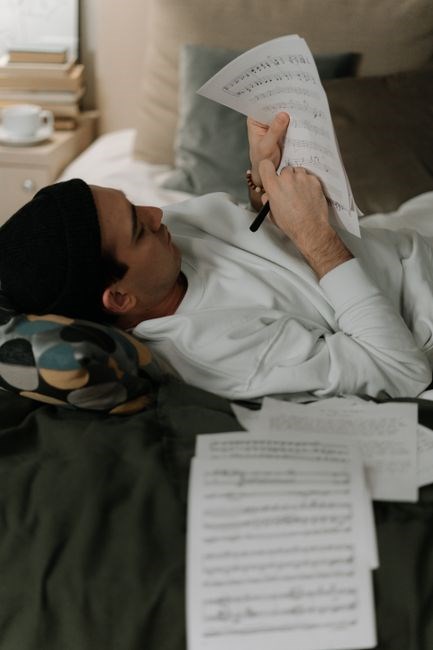
When arranging the beloved anthem, consider the ensemble’s strengths and the event’s mood. For a full orchestra, keep the original harmonic structure but add a lush string ostinato beneath the vocal line, and let brass fanfares punctuate the chorus. A choir‑orchestra hybrid can use a double‑voice choir with a piano or guitar accompaniment, allowing the singers to emphasize the anthem’s patriotic diction; For a jazz‑style rendition, reharmonize the chords with extended harmonies, insert a walking bass line, and give the melody a swing feel while preserving the recognizable hook. A solo piano arrangement should focus on rhythmic clarity, using block chords in the left hand and a flowing right‑hand melody that highlights the anthem’s lyrical quality. If you’re working with a small band, replace the full brass section with a horn or saxophone section, and add a rhythmic groove that keeps the audience engaged. Always maintain the anthem’s original key or transpose it to suit the vocalist’s range, and consider adding a brief instrumental intro or outro to bookend performance. Finally,rehearse dynamics meticulously; the anthem’s power lies in its contrast between soft verses and soaring choruses.
Adapt the arrangement to the venue’s acoustics: in a small hall, emphasize the vocal line with piano or guitar, keeping brass subdued. In a large stadium, amplify brass and percussion to fill space, but avoid excessive reverberation that blurs the melody. Rehearse fully before event to ensure a cohesive, triumphant rendition honoring anthem’s legacy.!! Enjoy the performance.!!
Practice Strategies
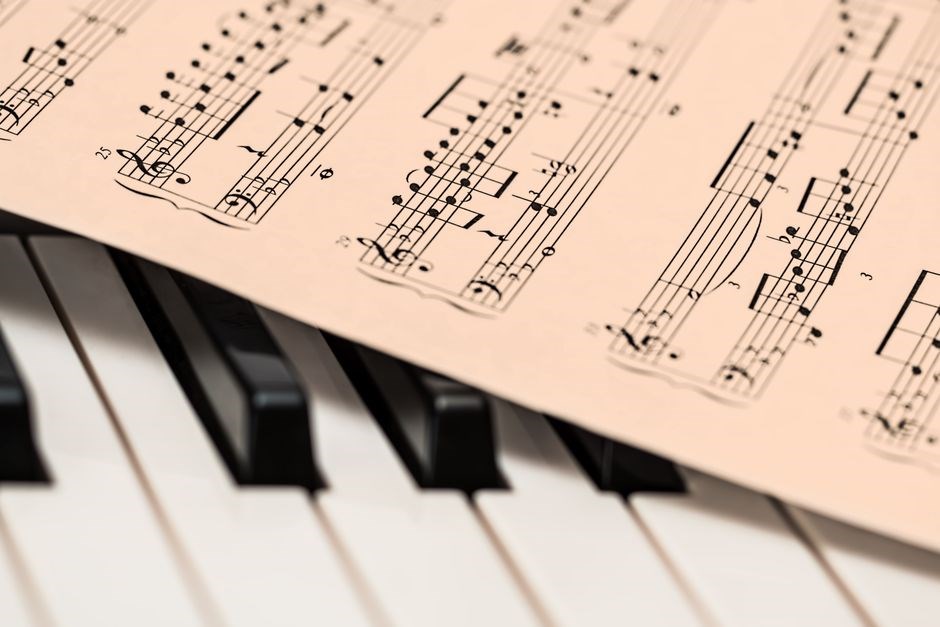
Begin by isolating the anthem’s rhythmic motifs; play each phrase slowly, focusing on articulation and phrasing. Use a metronome to maintain steady tempo, then gradually increase speed while preserving clarity. Record yourself to identify timing issues and adjust accordingly. Break the piece into manageable sections—verse, chorus, bridge—and practice each until you can perform it without hesitation. Incorporate dynamic markings early; practice crescendos and decrescendos to convey the anthem’s emotional arc. Work on breath control, especially during the extended phrases; practice sustaining notes with a steady airflow. If you’re a vocalist, rehearse diction in a mirror, ensuring consonants are crisp and vowels are resonant. For instrumentalists, focus on intonation by playing along with a reference track. Use a backing track or a metronome to simulate ensemble conditions; rehearse the full arrangement with the ensemble, ensuring each section stays in time. Schedule short, focused sessions—15 to 20 minutes—multiple times a day to build muscle memory without fatigue. Use mental rehearsal: visualize the performance, hearing the melody and harmonies in your mind, and rehearse the full arrangement with the ensemble. Consistent, deliberate practice will transform the anthem into a confident, polished performance, ready to inspire audiences worldwide. Keep tempo steady
In closing, the freely available PDF of the patriotic anthem offers musicians, educators, and enthusiasts a versatile resource that transcends traditional print limitations. By embracing digital distribution, you gain instant access to a clean, high‑resolution score that can be printed, annotated, or shared across platforms. This accessibility encourages collaborative rehearsal, community performances, and educational projects that celebrate national heritage. Whether you’re a soloist preparing for a school assembly, a conductor assembling a school band, or a music teacher designing a curriculum, the free PDF format streamlines preparation and reduces costs. The digital format also supports accessibility tools, allowing students with visual impairments to use screen readers and magnification software. In addition, the ability to download the score on demand means you can keep your repertoire current without waiting for physical copies. Ultimately, the free PDF sheet music empowers performers to focus on expression, technique, and unity, while preserving the timeless spirit of the anthem. Let this resource inspire confidence, creativity, and a shared sense of pride in every rehearsal and performance. By sharing this PDF with musicians, you help keep the anthem alive in classrooms and events, ensuring its melody continues to unite people across generations. Remember to respect any licensing terms and give credit where due, fostering a culture of openness and respect for musical heritage,forall